This work is offered in a limited edition of 300, created exclusively to order. (Only 8 units remain available for 2026 orders.)
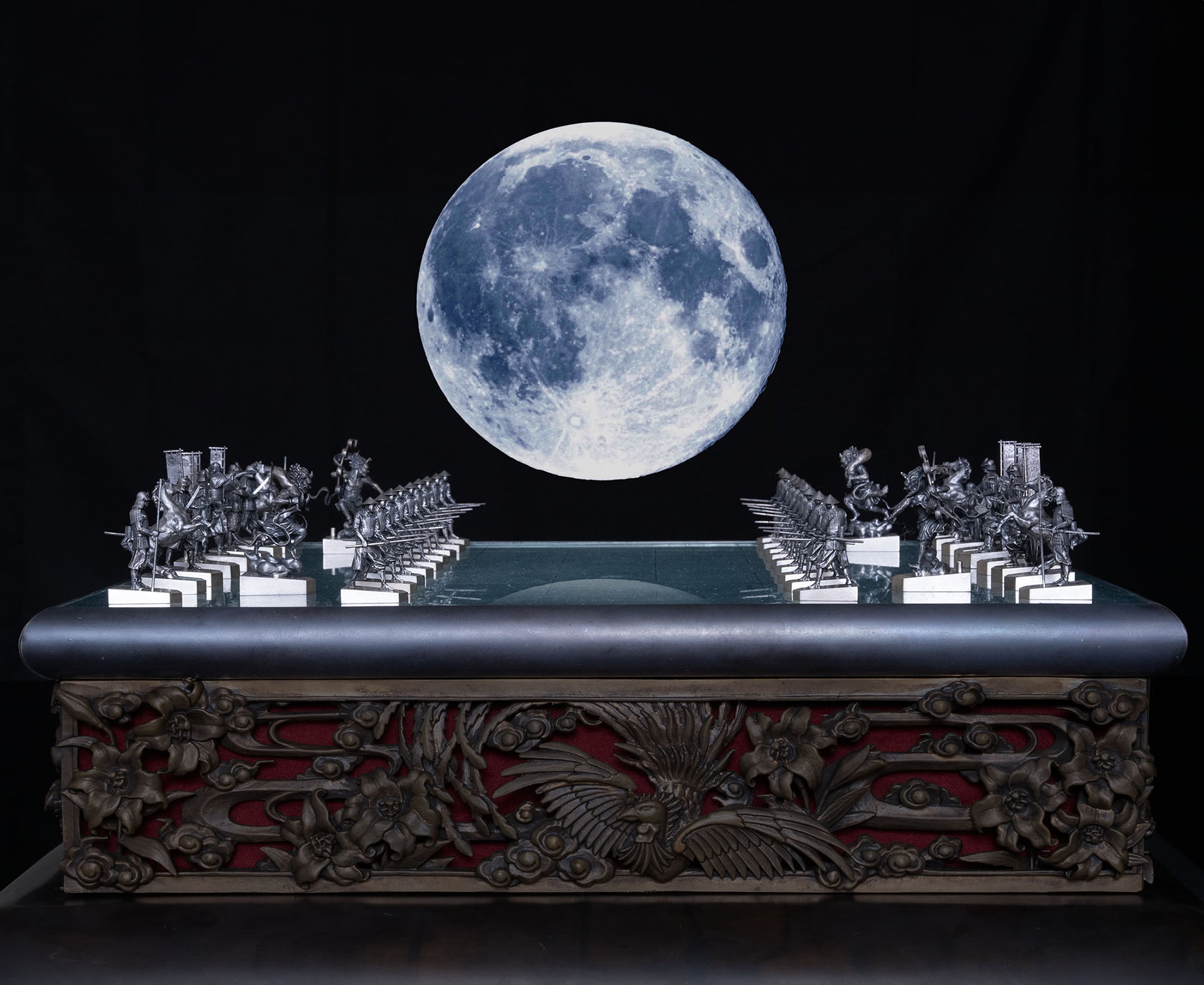
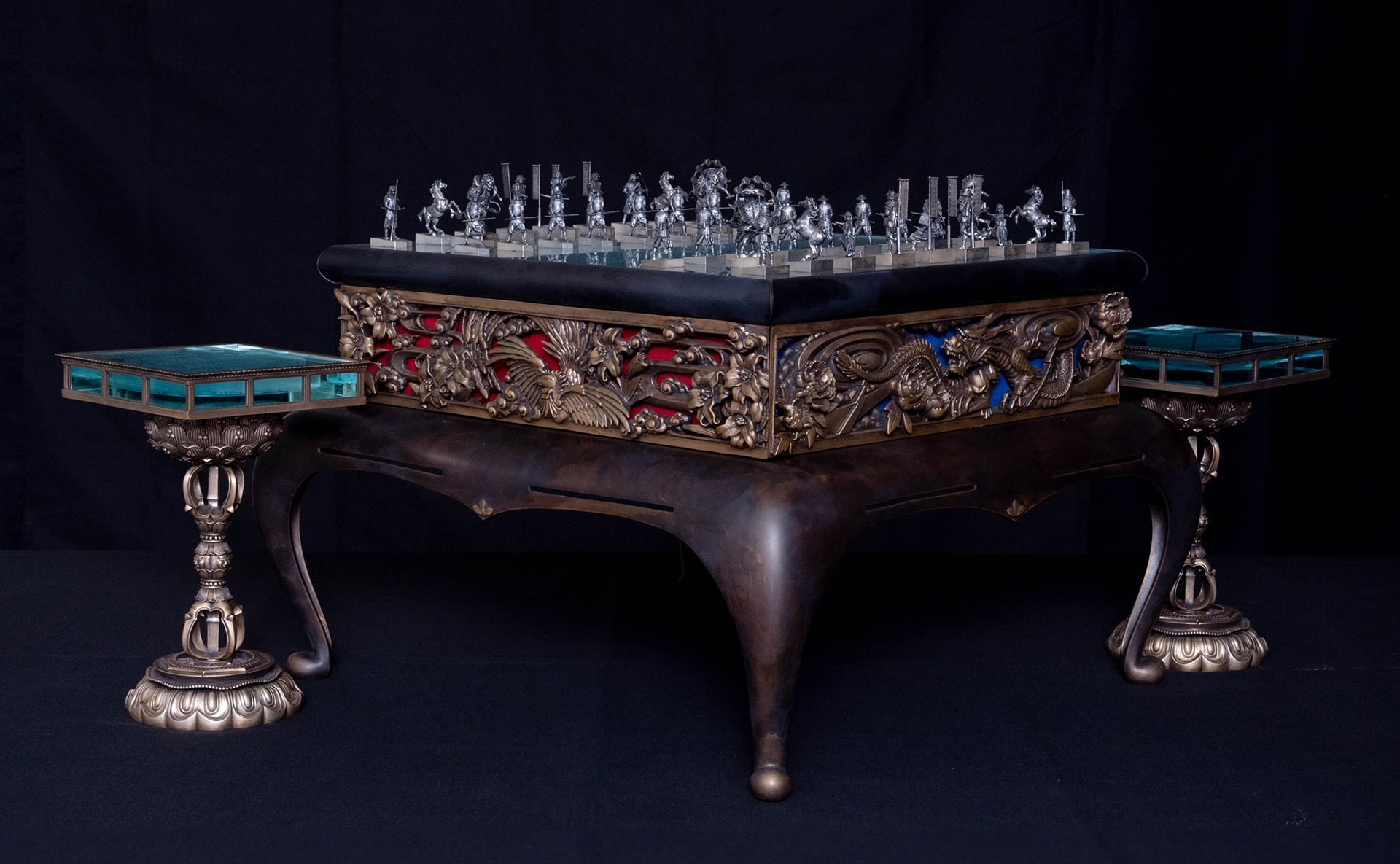
A premium art piece, Sengoku Battle Shogi – Kawanakajima is created through the fusion of traditional Japanese craftsmanship and cutting-edge 3D technology.
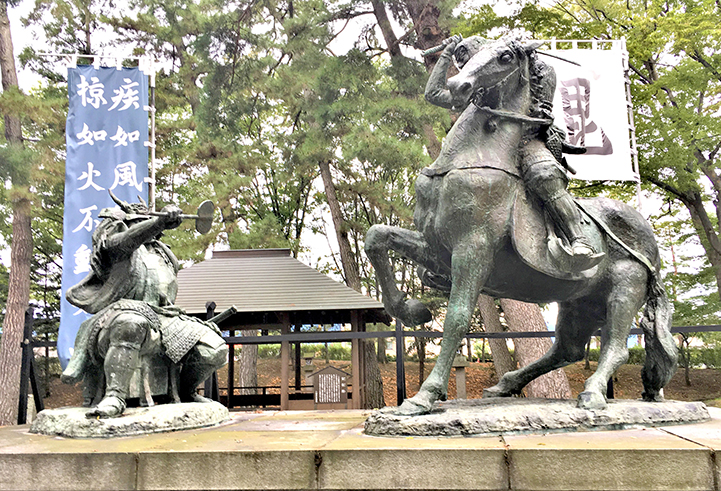
The board is inspired by the Battles of Kawanakajima (1553–1564), regarded as one of the most enigmatic series of battles in Sengoku history.
By incorporating the latest technology, the reimagined traditional style retains its grandeur while radiating delicate beauty, leading to a new discovery of Japanese aesthetics.
Full View 【Sengoku Battle Shogi ~Kawanakajima~】
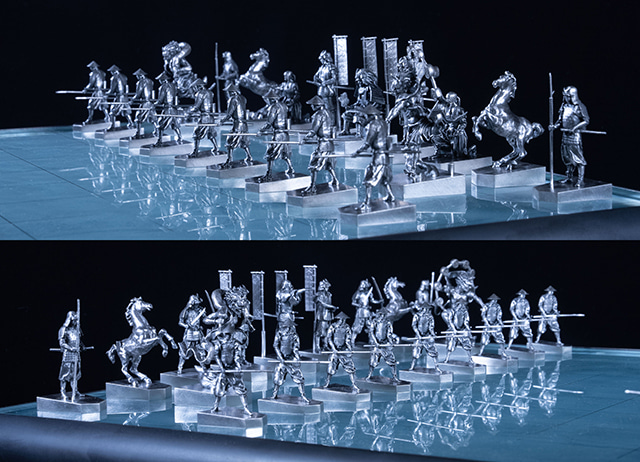
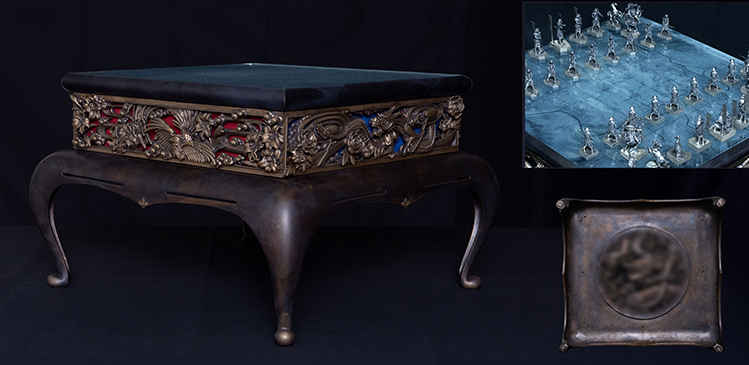
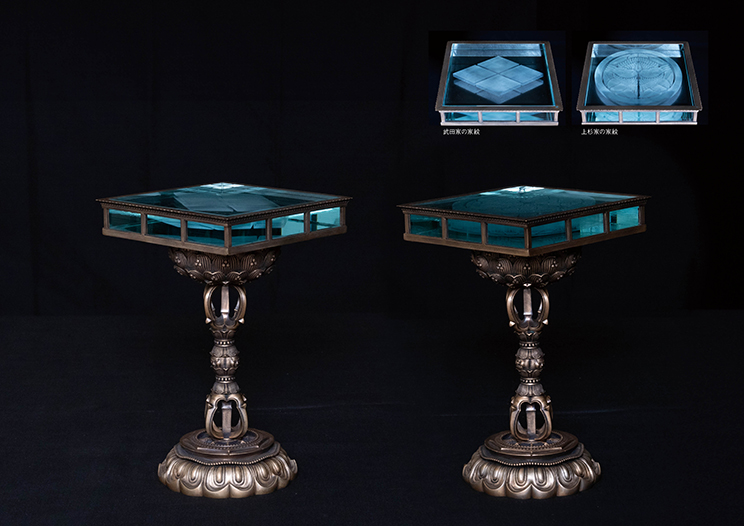
Board Stand, Piece Stands, Pieces
This work is offered in a limited edition of 300, created exclusively to order. (Only 8 units remain available for 2026 orders.)
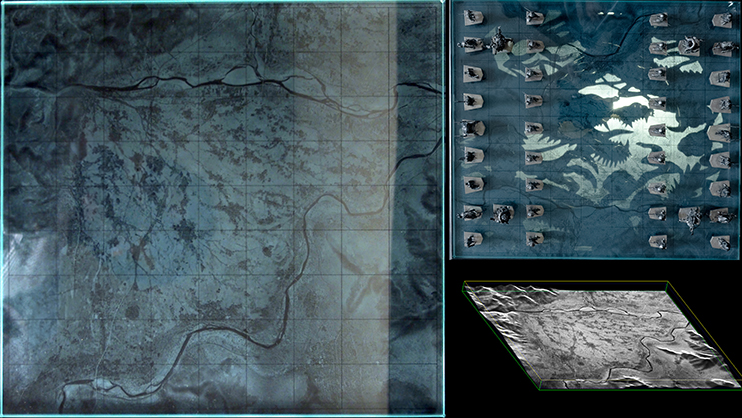
The tempered glass surface of the board features a 3D laser-engraved depiction of the terrain of Kawanakajima (present-day Nagano City, Nagano Prefecture).
Engravings of the Four Gods—Genbu (Black Tortoise), Seiryu (Azure Dragon), Suzaku (Vermilion Bird), and Byakko (White Tiger)—adorn the four sides of the board stand. Additionally, an engraving of Koryu (Yellow Dragon) is placed on the underside of the central board.
The tempered glass surface of each stand features a 3D laser-engraved depiction of the family crests (kamon ) of the Takeda and Uesugi clans.
【Specifications】
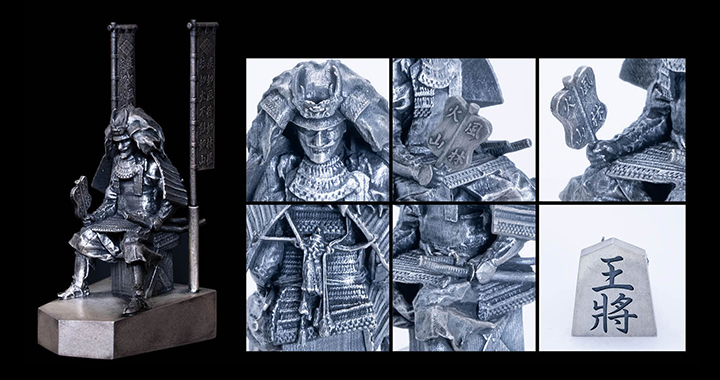
Pieces
SV925
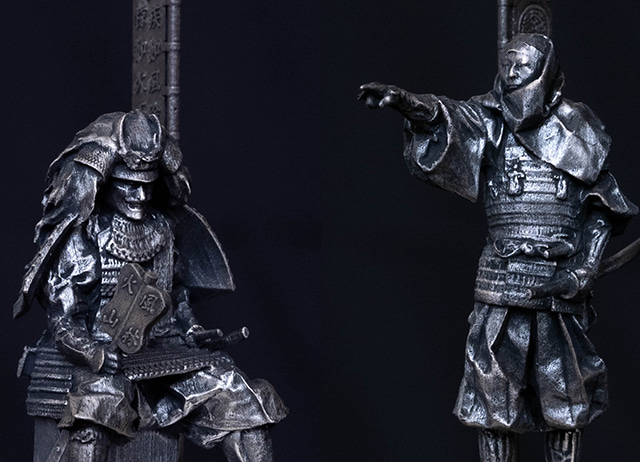
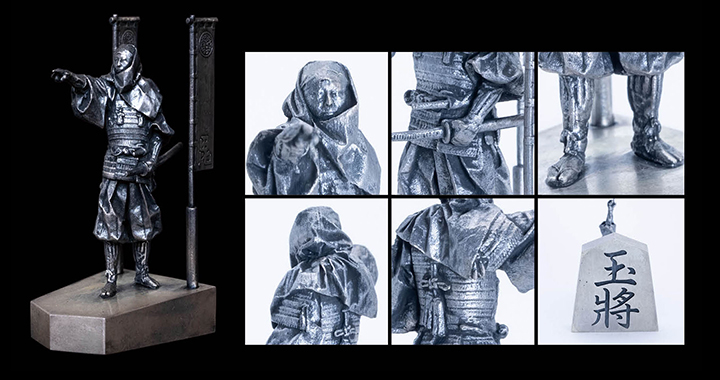
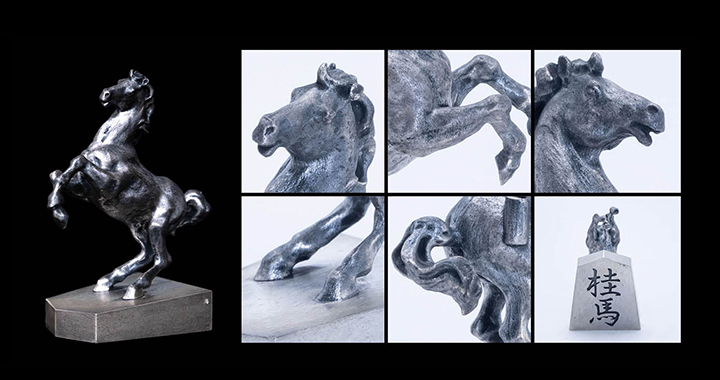
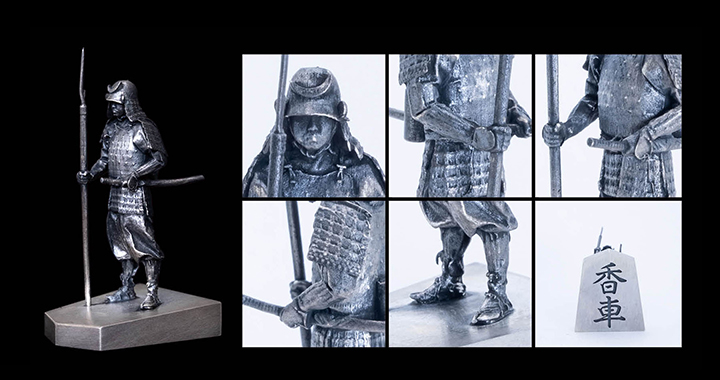
The King pieces (Osho and Gyokusho ) are designed based on the Sengoku daimyos Takeda Shingen and Uesugi Kenshin.
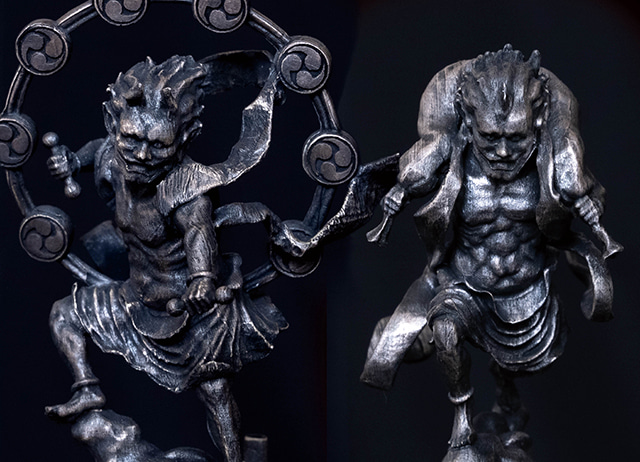
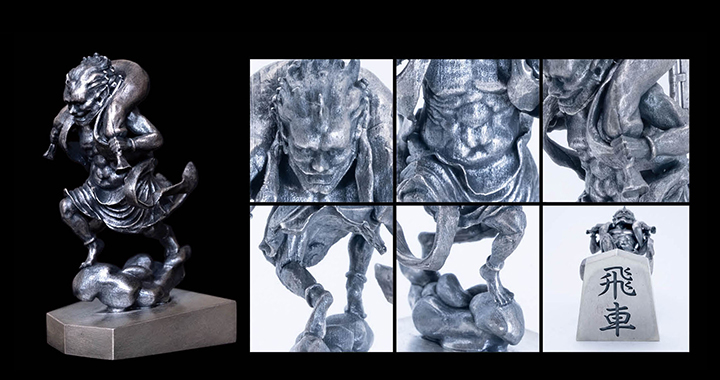
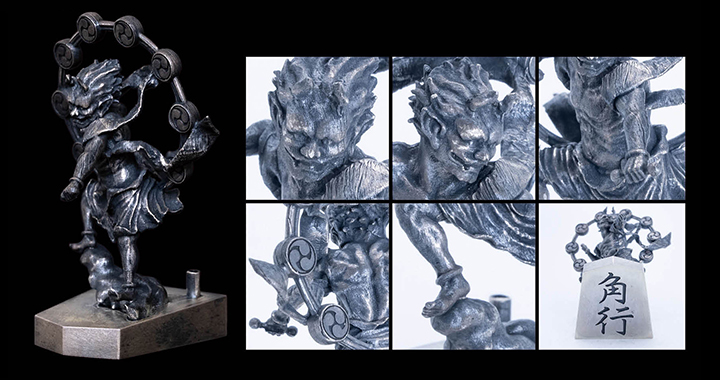
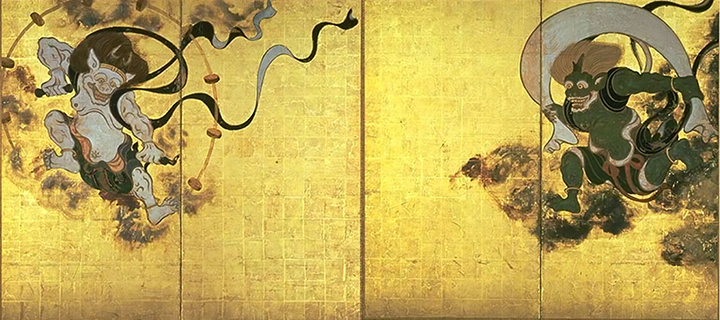
The flying pieces, Rook and the Bishop, feature the demon gods Fujin (“Wind God”) and Raijin (“Thunder God”), symbolizing the fierce clashes of the Battles of Kawanakajima .
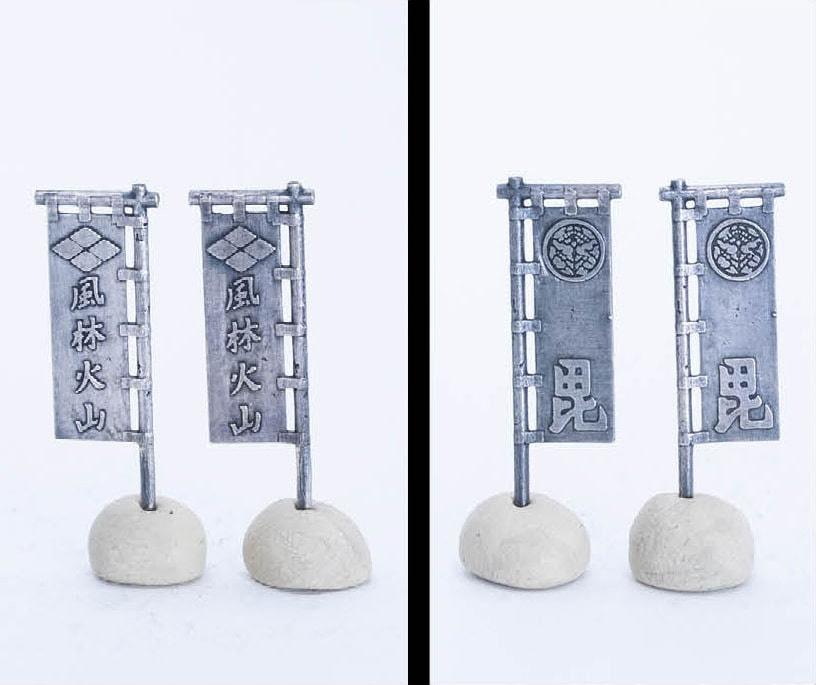
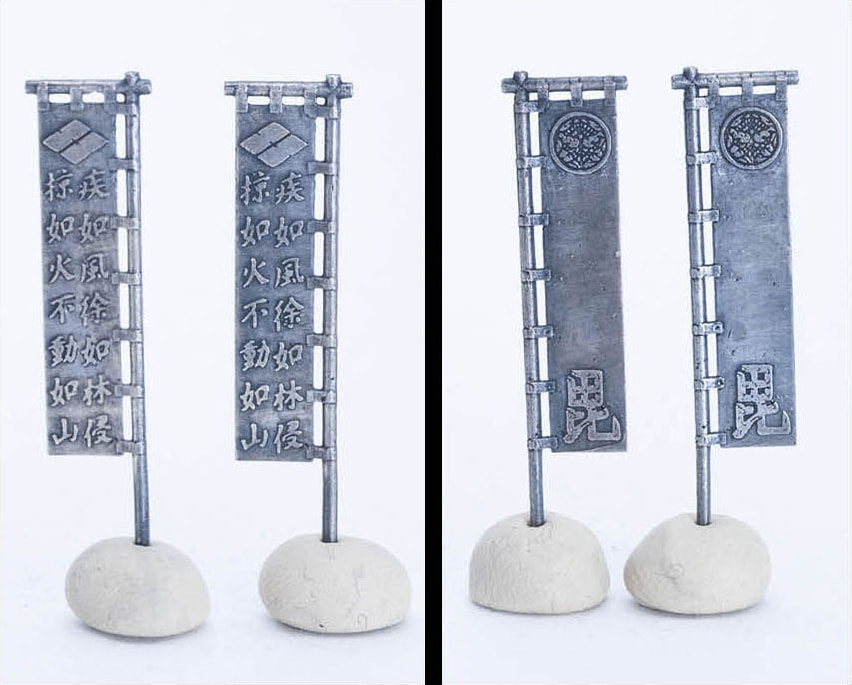
The promoted pieces are marked by attaching the flag of the player’s army to the piece.
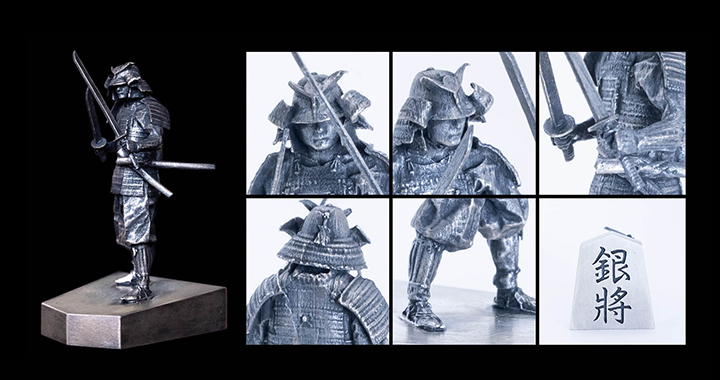
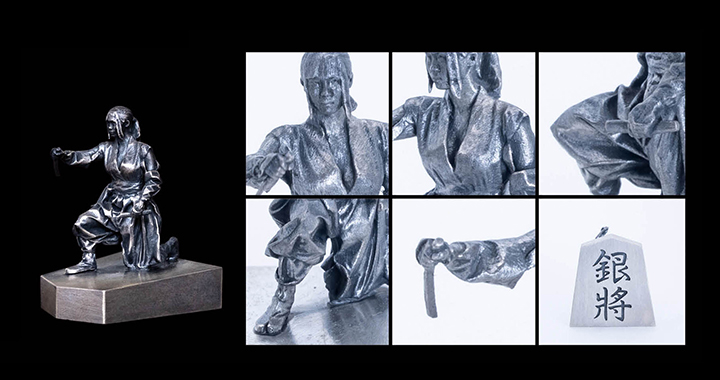
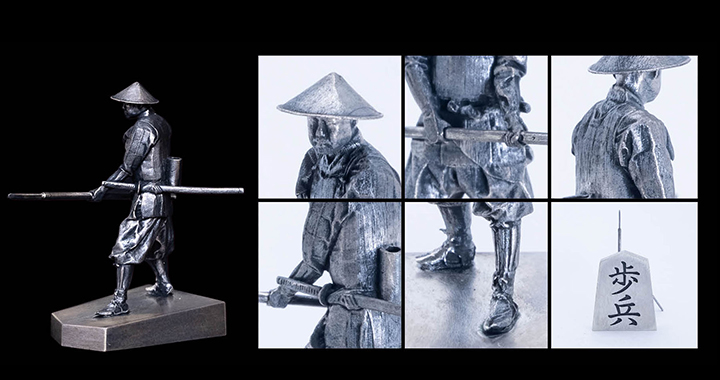
The key pieces in offense and defense, the Silver Generals, come in two variations.
On the Takeda (Osho , higher rank) side, a female ninja is featured to represent tactical skill, while on the Uesugi (Gyokusho , lower rank) side, a warrior Silver General is used to evoke the strong image of discipline and integrity. These design choices highlight the contrasting characteristics of each army.
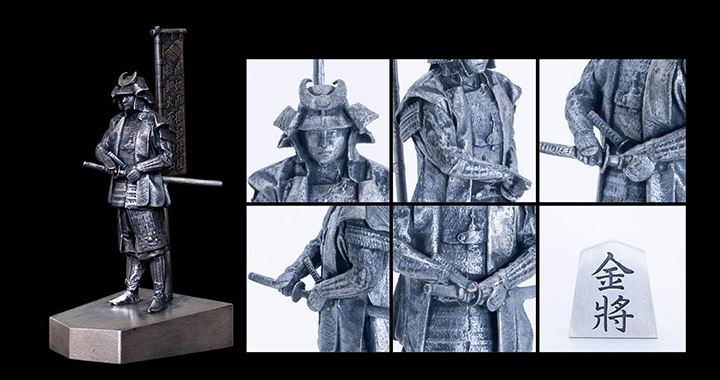
The total number of pieces includes the standard 40 pieces of shogi, plus 6 short flags x 2 to represent promoted pieces, and 4 flags x 2 for the Gold Generals.
Flag (for Gold General) 4×2 【W:7.6mm × D:0.9mm × H:31.5mm】
【Specifications】
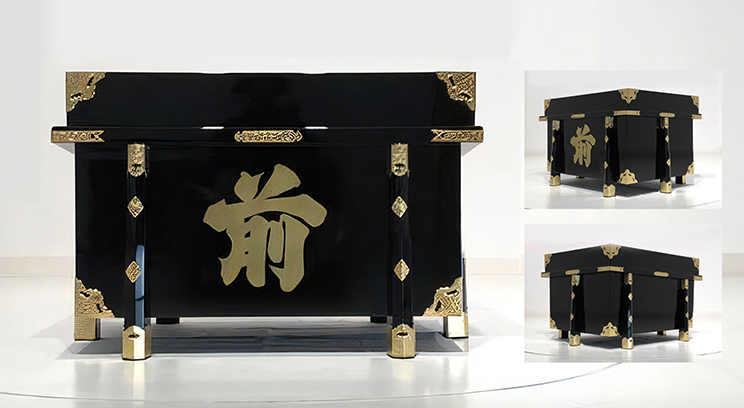
Storage Box | Yoroi Bitsu
W:745mm × D:525mm × H:485mm Wooden
A Yoroi Bitsu, traditionally used by warriors to store their armor, is used for storing the complete set of Sengoku Battle Shogi .
This work is offered in a limited edition of 300, created exclusively to order. ((Only 8 units remain available for 2026 orders.)
Creative Intent
Honoring and Preserving the Tradition of the Shogi Board, with an Unintended Setback
Sengoku Battle Shogi – Kawanakajima has been created based on the idea of something that has never existed before, by fusing cutting-edge 3D technology with traditional Japanese craftsmanship.
The concept of refined design typically involves stripping away excess elements, and the existing shogi boards and pieces can be considered highly refined in this sense, with nothing more left to remove.
However, thanks to the latest 3D technology and craftsmanship, it has become possible in recent years to create intricate and delicate shapes that were previously impossible to achieve by hand.
The creation of Sengoku Battle Shogi began with the belief that preserving and recreating traditional forms, along with the meanings they hold, has cultural value, as well as a mark of respect to those who came before. However, in the process, the design, within the context of “stripping away and refining,” ended up taking a step back. This led to an ambivalent situation where advancements in technology caused a regression in design.
Everything created by humans reflects the ideas and production environments of the time in which it was made. When design is said to regress, it means that the social norms that shape it are also regressing, and inevitably, social norms from pre-modern times—now forgotten in the present—resurface. In fact, Sengoku Battle Shogi – Kawanakajima is adorned with design elements that are reminiscent of pre-modern, magical motifs.
The regression of design due to the evolution of cutting-edge technologies like the internet and AI, for example, the attempt to infuse human qualities into AI, suggests that pre-modern concepts such as divination, curses, and revelations are re-emerging.
This work is offered in a limited edition of 300, created exclusively to order. (Only 8 units remain available for 2026 orders.)
【TIPs 01】
Why the Battles of Kawanakajima ?
The Battles of Kawanakajima were a series of legendary battles in Japanese Sengoku history, fought between Uesugi Kenshin of the Echigo Province and Takeda Shingen of the Kai Province from 1553 across five engagements, with no clear victor. A battle with no definitive outcome would be the ideal motif for a shogi board.
【TIPs 02】
Why are the Rook and Bishop Associated with Fujin and Raijin?
There are no humans who can move freely across the battlefield in all directions—that is a feat only possible for the gods. Moreover, in battles, the movements (or fate) of the gods often become the key factors that determine the outcome.
【TIPs 03】
Glass Surface
The tempered glass surface features a 3D laser-engraved depiction of the Kawanakajima terrain. When light enters slightly from below, the shadow of the Yellow Dragon on the underside of the board faintly appears over Kawanakajima on the glass surface.
【TIPs 04】
Blood Pool
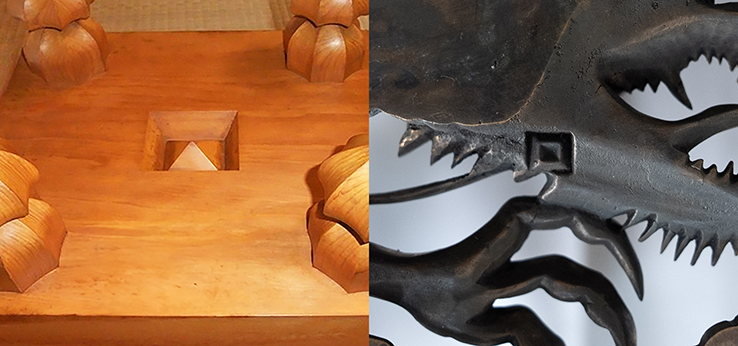
On the underside of the shogi board, there is an indentation known as the “blood pool.” Its official name is oto-uke (“sound receiver”), but there is a legend that during a match, if a third party interfered by speaking from the side, the head of that person would be cut off, and the flipped board was used as a surface to place the severed head, collecting the blood.
In Sengoku Battle Shogi – Kawanakajima , the blood pool, which would typically be positioned in the center of the Yellow Dragon, is instead placed in a reversed position on the opposite side of the Yellow Dragon.
This work is offered in a limited edition of 300, created exclusively to order. (Only 8 units remain available for 2026 orders.)
![[S-series]](../../img/03_S-series_min.png)